You spot a trail of ants marching across your kitchen counter, or maybe you've heard scratching in the walls late at night. The question immediately arises: should you grab a spray bottle from the hardware store, or is it time to call in reinforcements? Both DIY pest control and professional services have their place, but knowing when each approach makes sense can save you money, protect your home, and give you genuine peace of mind.
DIY Pest Control vs Hiring a Professional: What Homeowners Need to Know
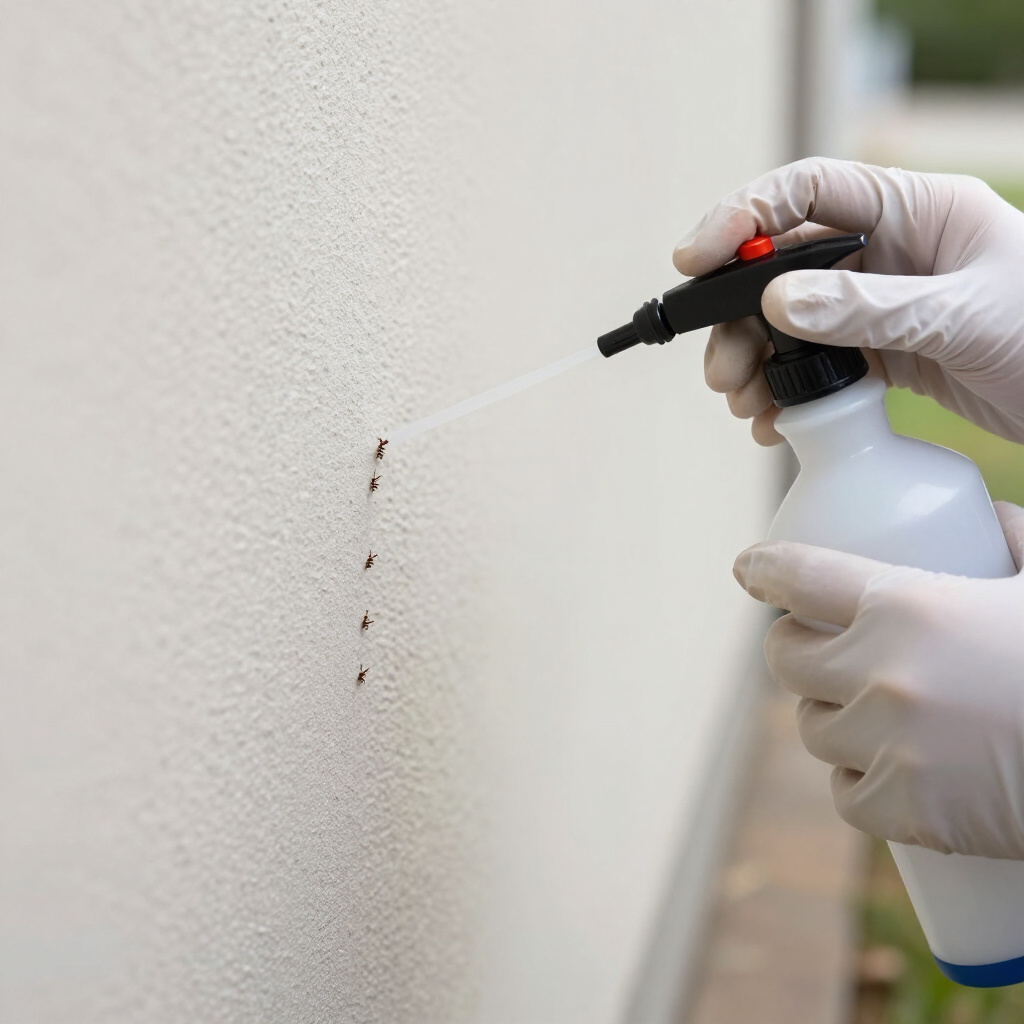
When it comes to managing unwanted critters, many homeowners start with the do-it-yourself route—and sometimes, that's perfectly appropriate. DIY methods work best for minor, isolated problems. A few fruit flies around your summer produce, an occasional spider in the basement, or a small cluster of ants near a window can often be handled with store-bought traps, natural deterrents, or simple sanitation improvements.
The appeal of DIY is understandable. It's immediate, relatively inexpensive, and gives you a sense of control. Boric acid for roaches, diatomaceous earth for crawling insects, vinegar solutions, and pheromone traps are readily available and can be effective for surface-level issues. Prevention-focused DIY—sealing cracks, eliminating standing water, storing food properly—should actually be part of every homeowner's regular maintenance routine.
However, DIY pest control vs hiring a professional isn't always a fair fight. Store-bought products typically contain lower concentrations of active ingredients and lack the residual power of professional-grade treatments. Worse, misapplication can scatter pests rather than eliminate them, driving rodents deeper into walls or causing bed bugs to spread to adjacent rooms. You might solve the visible problem while the hidden infestation continues growing.
When Professional Intervention Becomes Essential
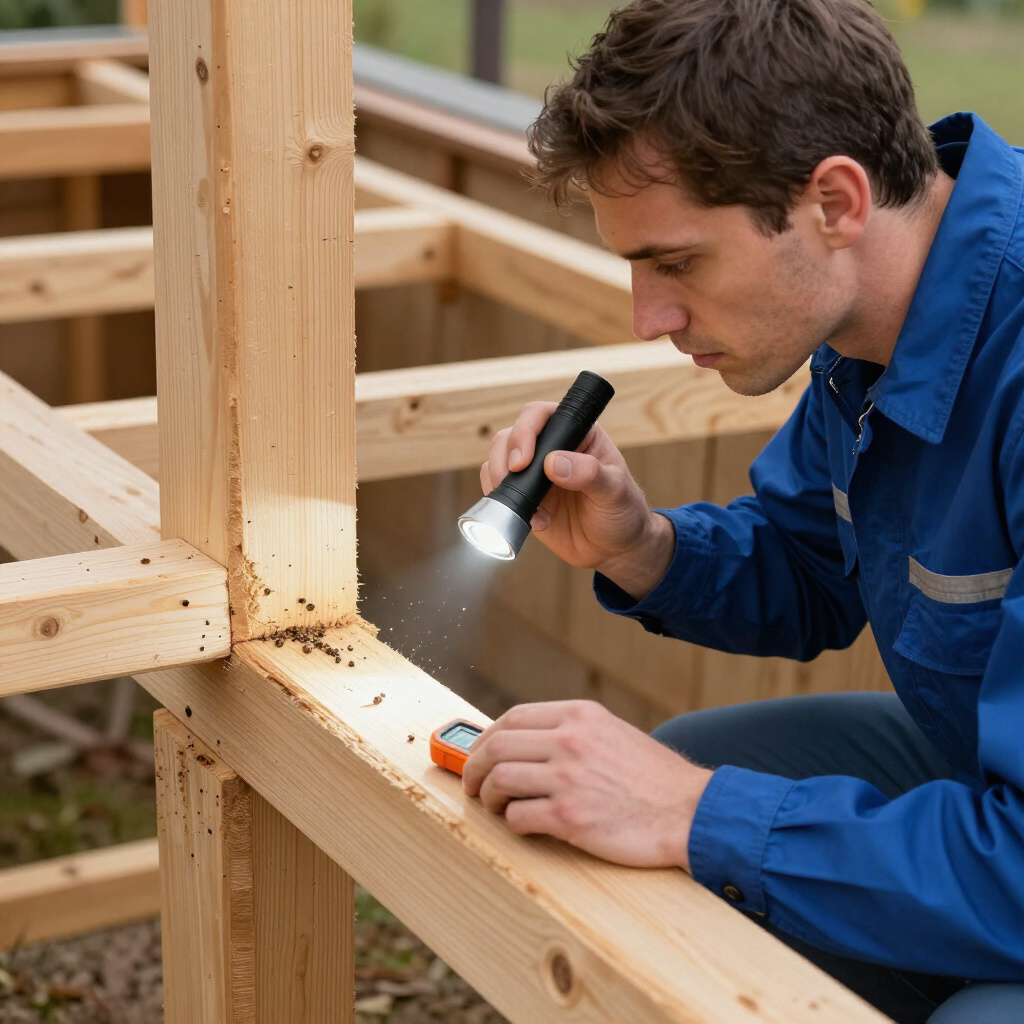
Certain situations demand expertise that no over-the-counter product can replicate. Extensive termite damage requires specialized detection equipment and targeted treatment systems that protect your home's structural integrity. Bed bug infestations are notoriously difficult to eradicate without heat treatment or precise insecticide application—attempts to self-treat often prolong suffering and increase costs dramatically.
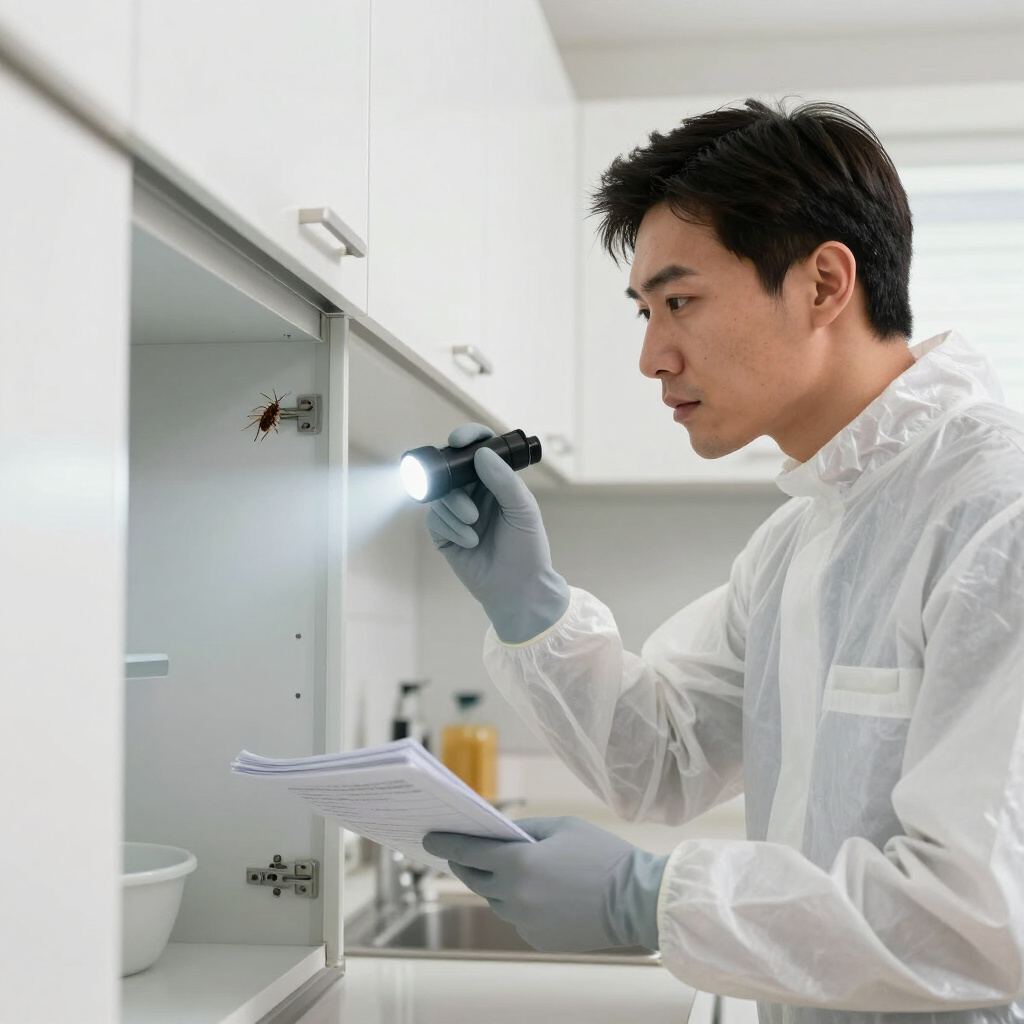
Licensed pest control professionals bring training, experience, and tools that transform how infestations are handled. They can accurately identify species (critical, since carpenter ants and termites require completely different approaches), locate nests and entry points you'd never find, and apply treatments safely around children, pets, and sensitive individuals. Many also offer warranties and follow-up inspections, ensuring problems don't resurface.
Health and safety considerations tip the scales further. Rodent droppings carry hantavirus and salmonella. Certain spider bites require medical attention. Stinging insects pose serious risks for allergic individuals. Professionals have protective equipment and protocols that minimize these hazards during removal.
The financial equation surprises many homeowners. While DIY carries lower upfront costs, repeated failed attempts add up quickly—especially when property damage continues unchecked. Termites alone can cause thousands in structural repairs if not addressed promptly. Professional services often prove more economical when you factor in effectiveness, prevention of recurrence, and protection of your home's value.
Key Tips for Making the Right Choice
Assess honestly before deciding. Consider the pest type, infestation size, location within your home, and any health concerns your family faces. A single mouse caught in a snap trap differs fundamentally from scratching sounds in multiple walls.
If attempting DIY, research thoroughly. Understand the pest's biology and behavior. Read product labels completely—more is not better with pesticides. Keep records of what you've tried and when, which proves invaluable if you later need professional help.
When selecting a professional, verify licensing and insurance. Ask about their integrated pest management approach, which emphasizes prevention and minimizes chemical use. Request specifics about treatment plans, guarantees, and follow-up protocols. Reputable companies welcome these questions and explain their reasoning clearly.
Remember that timing matters significantly. Spring brings swarming termites and awakening wasps. Fall drives rodents indoors seeking warmth. Understanding seasonal patterns helps you act before small problems become major infestations, regardless of which approach you choose.
Finally, consider hybrid strategies. Many homeowners handle routine prevention themselves while establishing relationships with trusted professionals for periodic inspections and rapid response when serious issues emerge. This balanced approach leverages the strengths of both methods.
Final Thoughts
The debate between DIY pest control vs hiring a professional ultimately resolves into a question of fit rather than superiority. Minor, well-defined problems often yield to diligent homeowner effort. Complex, extensive, or potentially dangerous infestations demand professional expertise. Your home represents one of your largest investments—protecting it wisely means knowing your limits and recognizing when skilled intervention serves your interests best. Whether you reach for a caulking gun or a phone, informed action always outperforms hesitation or half-measures.