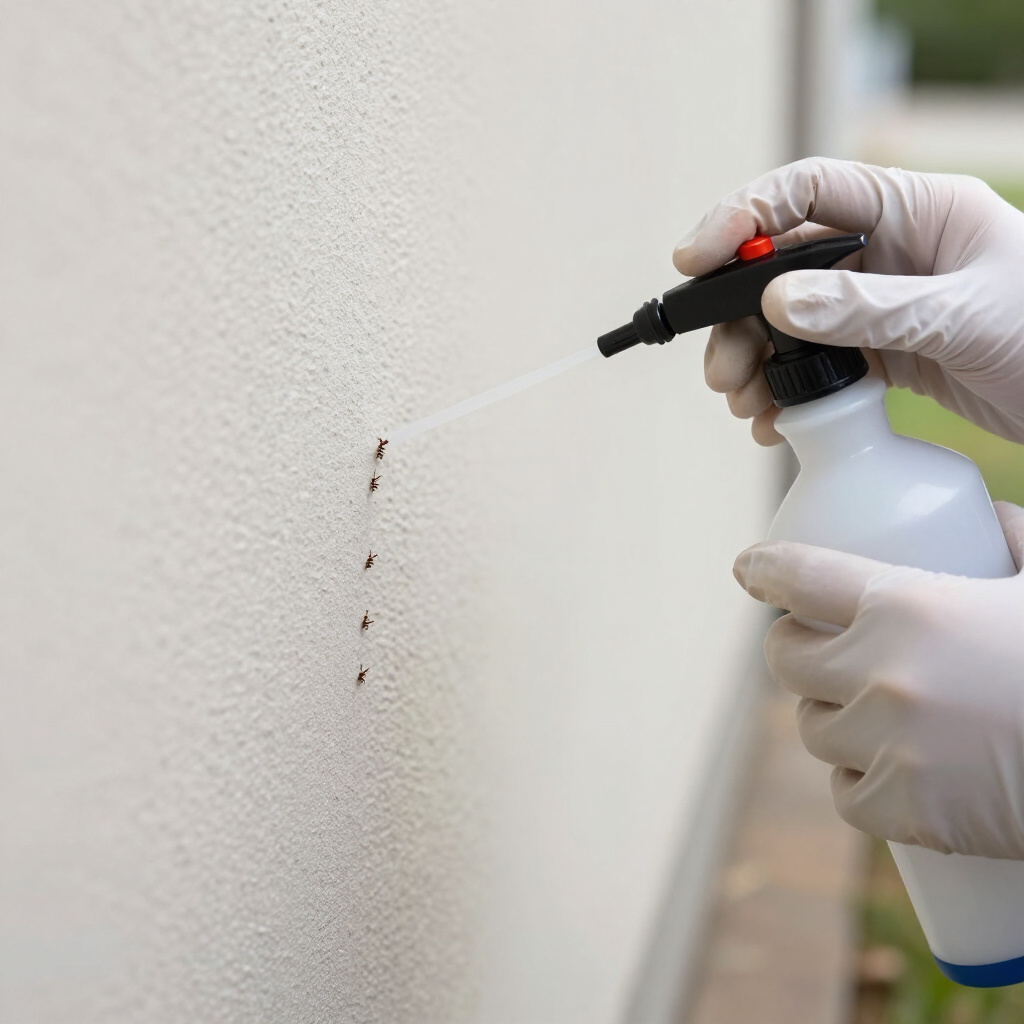

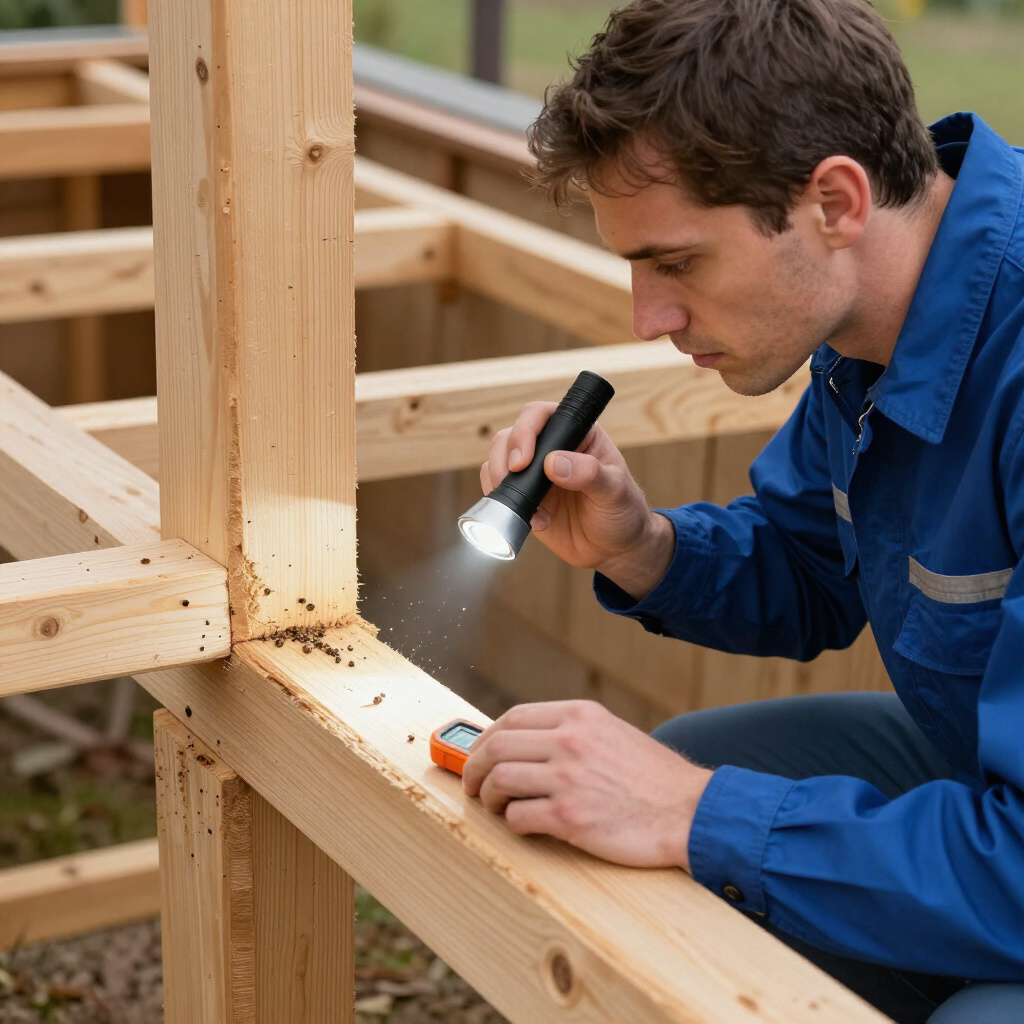
Few things are more frustrating than watching a trail of ants marching across your kitchen counter like they own the place. One day your home is peaceful; the next, you're dealing with an invasion that seems to come out of nowhere. The good news? With the right approach, you can stop ants before they ever become a problem. Prevention is far easier—and far less stressful—than trying to evict an established colony.
How to Prevent Ants From Invading Your Home
Ants are remarkably resourceful creatures. They communicate through pheromones, leaving invisible scent trails that guide hundreds—or thousands—of their colony mates straight to food sources. Once a scout ant finds something appealing in your home, the message spreads fast. Understanding this behavior is key to keeping them out.
Prevention starts with recognizing what attracts ants in the first place. Food residue, standing water, and accessible entry points are the three main draws. Address these vulnerabilities systematically, and you'll make your home significantly less appealing to foraging ants.
Seal Entry Points
Ants can squeeze through incredibly small gaps—some species need just a millimeter of space to enter. A thorough inspection of your home's exterior is one of the most effective preventative steps you can take.
Start by examining window frames, door thresholds, and foundation cracks. Pay special attention to areas where utility lines enter your home; these are common ant highways that homeowners often overlook. Use silicone caulk to seal gaps and cracks, install door sweeps on exterior doors, and repair damaged window screens promptly.
Don't forget about your home's interior, either. Check baseboards, cabinets, and pipe penetrations in kitchens and bathrooms. Even small openings around plumbing fixtures can become entry points. Weatherstripping and expandable foam can help seal larger gaps that caulk alone can't handle.
Key Tips
Smart daily habits make a tremendous difference in ant prevention. Here are the practices that matter most:
Eliminate food sources immediately. Wipe counters after every meal, sweep floors daily, and never leave dirty dishes in the sink overnight. Store dry goods in airtight containers—ants can easily detect food through paper and thin plastic packaging. Pet food bowls should be elevated and cleaned regularly; they're a common overlooked attractant.
Manage moisture diligently. Ants need water to survive, and they're drawn to damp environments. Fix leaky faucets, repair running toilets, and ensure proper ventilation in bathrooms and basements. Empty plant saucers promptly and redirect downspouts away from your foundation to reduce soil moisture near your home.
Maintain your yard strategically. Trim tree branches and shrubs so they don't touch your house—ants use these as bridges. Keep mulch and woodpiles at least a foot away from your foundation, as both retain moisture and provide nesting habitat. Consider using gravel or stone barriers in areas where mulch contacts your home's exterior.
Clean with vinegar solutions. Regular household vinegar disrupts ant pheromone trails, making it harder for scouts to communicate with their colony. A simple solution of equal parts vinegar and water, used for routine counter cleaning, serves double duty as both sanitizer and ant deterrent.
Use natural deterrents around the perimeter. Diatomaceous earth, spread in a thin layer around your home's foundation, creates a barrier that's harmless to humans and pets but lethal to crawling insects. Cinnamon, coffee grounds, and peppermint oil can also discourage ant activity in garden beds and entry areas, though these need regular reapplication after rain.
When to Call a Professional
Sometimes, despite your best efforts, ants find a way inside. If you're seeing consistent ant activity, finding multiple trails, or noticing ants in areas far from obvious food sources, you may be dealing with a satellite colony or a larger structural issue.
Professional pest control technicians can identify the specific ant species you're facing—different ants require different strategies—and locate hidden nests that DIY methods might miss. They can also apply targeted, long-lasting barrier treatments that provide protection far beyond what over-the-counter products offer.
Seasonal professional inspections are particularly valuable in regions with heavy ant pressure. A technician can spot vulnerabilities you might miss and apply preventative treatments before peak activity periods begin.
Final Thoughts
Learning how to prevent ants from invading your home is really about building consistent habits and thinking like an ant—anticipating what attracts them and removing those opportunities before they arrive. The homes that stay ant-free aren't necessarily the newest or most expensive; they're simply the ones where residents stay vigilant about food storage, moisture control, and structural maintenance.
Start with one or two changes this week. Seal the most obvious entry points. Commit to nightly kitchen cleanup. Move that woodpile away from the house. Small steps compound quickly, and before long, you'll have built a defense system that keeps ants where they belong—outside, in the yard, never crossing your threshold.