
Finding a trail of ants across your kitchen counter or hearing scratching in the walls at night can turn your comfortable home into a source of stress. Household pests are more than just a nuisance—they can damage your property, contaminate your food, and even pose health risks to your family. The good news? Most infestations are entirely preventable with the right knowledge and consistent habits. Let's explore the most common household pests and the practical steps you can take to keep them outside where they belong.
Most Common Household Pests and How to Prevent Them
Every region has its particular pest pressures, but certain invaders show up in homes across the country. Understanding what attracts these pests and how they get inside is your first line of defense.
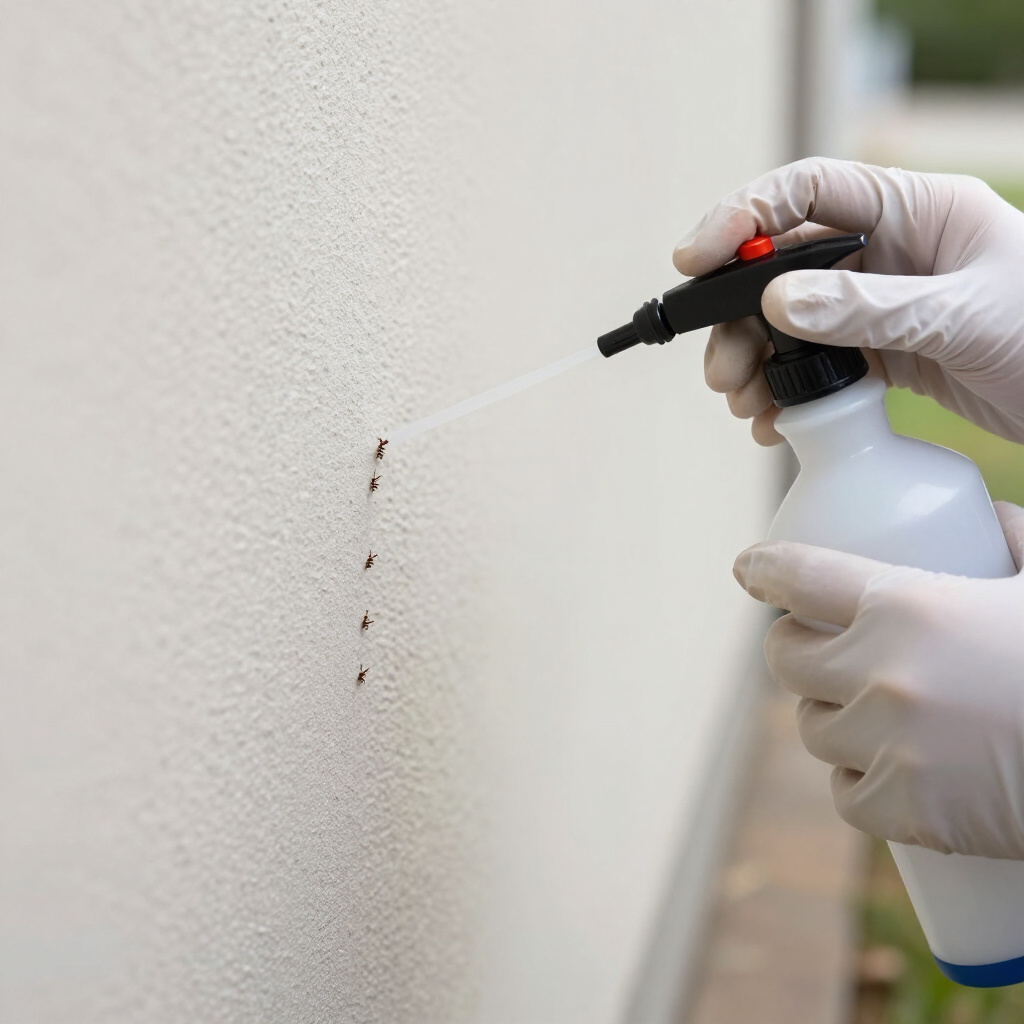
Ants are arguably the most frequent unwelcome visitors. These tiny foragers enter through the smallest cracks, drawn by crumbs, spills, and unsecured food. Sugar ants parade toward sweet residues, while grease ants target oily spots near stoves. Prevention starts with diligent cleanliness—wipe counters daily, store food in airtight containers, and address sticky spills immediately. Seal gaps around windows, doors, and utility penetrations with caulk. Outdoors, trim vegetation away from your foundation and avoid stacking firewood or mulch directly against exterior walls.
Cockroaches thrive in warm, humid environments with access to food and water. These resilient pests can squeeze through gaps as thin as a dime and multiply rapidly once established. German cockroaches often hitchhike in cardboard boxes, grocery bags, or secondhand appliances. To deter them, eliminate moisture by fixing leaky faucets and improving ventilation in bathrooms and basements. Store dry goods in sealed containers, take garbage out regularly, and declutter areas where roaches might hide. Inspect incoming items carefully, especially if purchasing used furniture or electronics.
Spiders generally prefer outdoor habitats but venture inside when following prey or seeking shelter from weather extremes. While most house spiders are harmless, their presence often signals other insect activity. Reduce spider populations by controlling the insects they feed on and removing their webs promptly. Keep storage areas organized, shake out clothing and shoes before wearing, and use tight-fitting screens on windows and vents. Outdoor lighting deserves special attention—standard bulbs attract flying insects that draw spiders; instead, use yellow or sodium vapor bulbs near entryways.
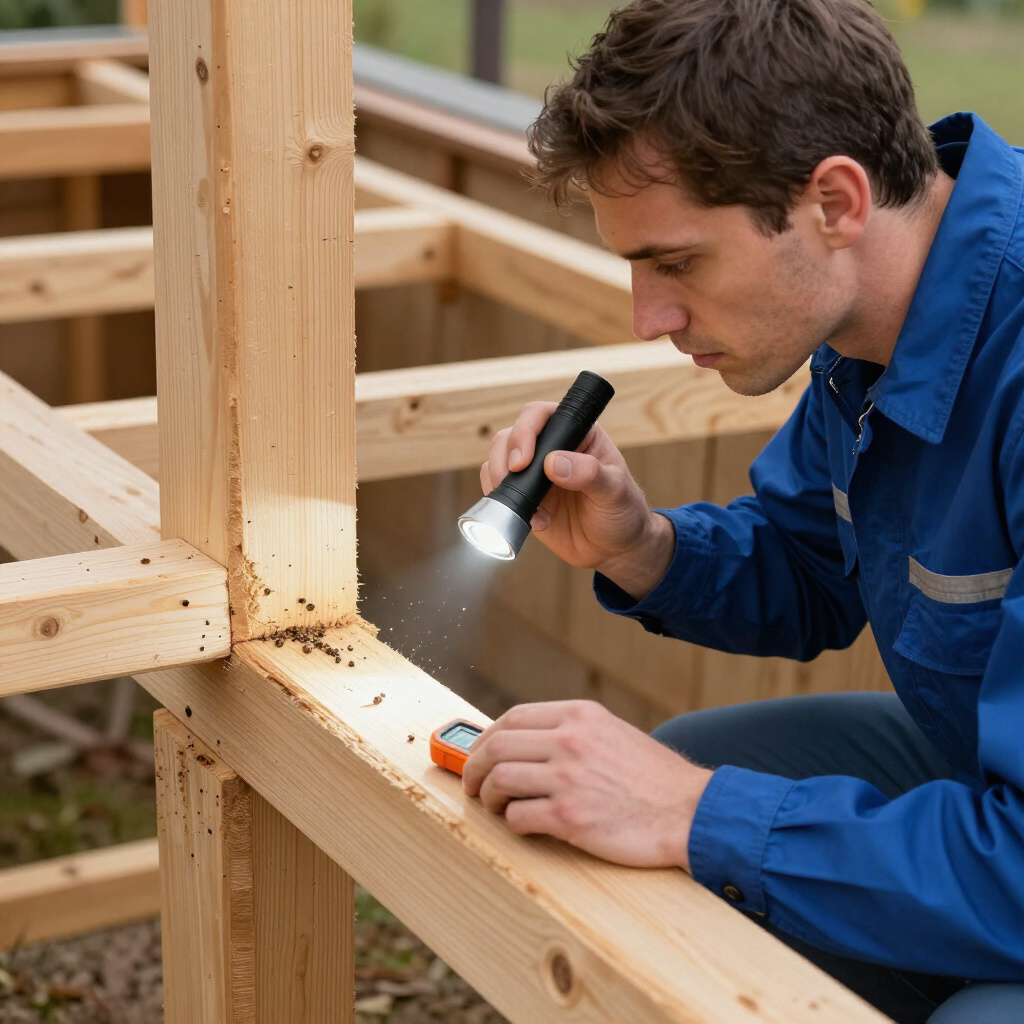
Termites cause billions in property damage annually, often working silently for years before detection. Subterranean termites build mud tubes to reach above-ground wood, while drywood varieties infest structural timbers directly. Prevention is far less costly than repair. Maintain proper drainage around your foundation, directing water away from the structure. Keep wood siding, mulch, and landscaping at least six inches from the ground. Schedule regular professional inspections, especially if your home has a history of termite activity or sits in a high-risk area. Promptly repair roof leaks and replace water-damaged wood, as moisture-damaged materials are particularly attractive to these destructive pests.
Rodents including mice and rats seek shelter, food, and nesting materials, particularly as temperatures drop. These pests contaminate surfaces with droppings and urine, chew electrical wiring creating fire hazards, and can introduce parasites. Prevention requires a two-pronged approach: exclusion and sanitation. Seal any opening larger than a quarter-inch—steel wool and caulk work well for small gaps, while hardware cloth covers larger openings. Install door sweeps and repair damaged screens. Indoors, eliminate food sources by using metal or thick plastic storage containers, cleaning pet food dishes nightly, and keeping garbage in sealed bins with tight lids. Regularly inspect attics, basements, and crawl spaces for signs of gnawing or droppings.
Seasonal Pest Prevention Strategies
Pest pressures shift throughout the year, and your prevention efforts should adapt accordingly.
Spring brings increased activity as colonies emerge and breeding begins. This is the ideal time for a thorough exterior inspection—walk your property's perimeter looking for winter damage, deteriorated weatherstripping, and new cracks in the foundation. Clean gutters and downspouts to prevent moisture accumulation. Consider professional perimeter treatments before pest populations peak.
Summer heat drives many pests indoors seeking cooler temperatures and water. Focus on moisture management: run dehumidifiers in damp areas, empty standing water from plant saucers and birdbaths, and maintain air conditioning drip pans. Keep kitchen practices impeccable during this active season.
Fall is critical for exclusion work as pests seek winter shelter. Install or repair door sweeps, check attic vents for proper screening, and seal utility entry points. Stack firewood away from the house and elevate it off the ground. Inspect holiday decorations and storage boxes before bringing them indoors.
Winter may seem quieter, but indoor pests can actually become more noticeable as outdoor activity decreases. Continue sanitation routines, monitor previously active areas, and use this slower period to schedule major preventative maintenance like crawl space encapsulation or structural repairs.
Key Tips for Long-Term Success
Consistent, layered prevention outperforms sporadic intensive efforts. Develop routines that integrate pest management into regular household maintenance rather than treating it as an isolated concern.
Start with a proper inspection rhythm. Monthly self-checks of common problem areas—kitchen, bathrooms, basement, attic, and exterior perimeter—help you catch issues before they escalate. Annual professional inspections provide trained eyes for hidden vulnerabilities and early infestation signs you might miss.
Practice integrated pest management principles: prioritize physical and cultural controls before chemical interventions. This means sealing entry points, modifying habitats, and maintaining sanitation as your foundation. When treatments become necessary, target them precisely rather than applying broad applications unnecessarily.
Communicate prevention practices with all household members. Even the most diligent efforts fail when someone leaves pet food out overnight or forgets to empty the kitchen compost. Make pest prevention a shared responsibility with clear, simple protocols everyone follows.
Know when professional help becomes essential. Multiple pest species appearing simultaneously, signs of structural damage, or persistent activity despite thorough DIY efforts indicate situations requiring expert assessment. Reputable pest control professionals can identify contributing factors you may have overlooked and implement solutions appropriate for your specific home and family situation.
Final Thoughts
Protecting your home from common household pests doesn't require constant vigilance or harsh chemical treatments—it demands informed, consistent habits and prompt attention to developing problems. By understanding what attracts each type of pest and systematically removing those attractions while sealing their entry pathways, you create an environment where pests struggle to establish themselves. The investment you make in prevention today pays dividends in preserved property value, protected health, and genuine peace of mind. Your home should be your sanctuary, not a shared space with unwanted creatures. Take these steps, adapt them to your specific situation, and enjoy the comfort of a well-protected home year-round.