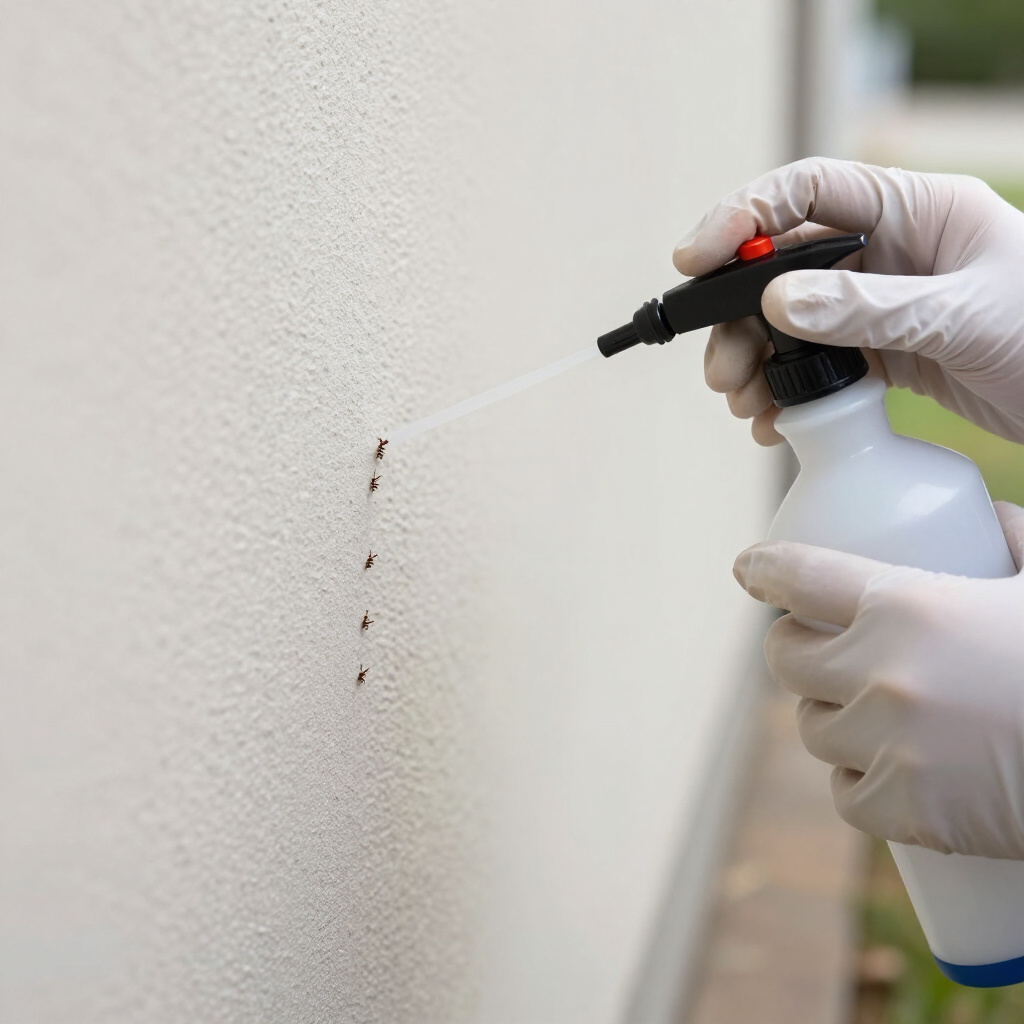
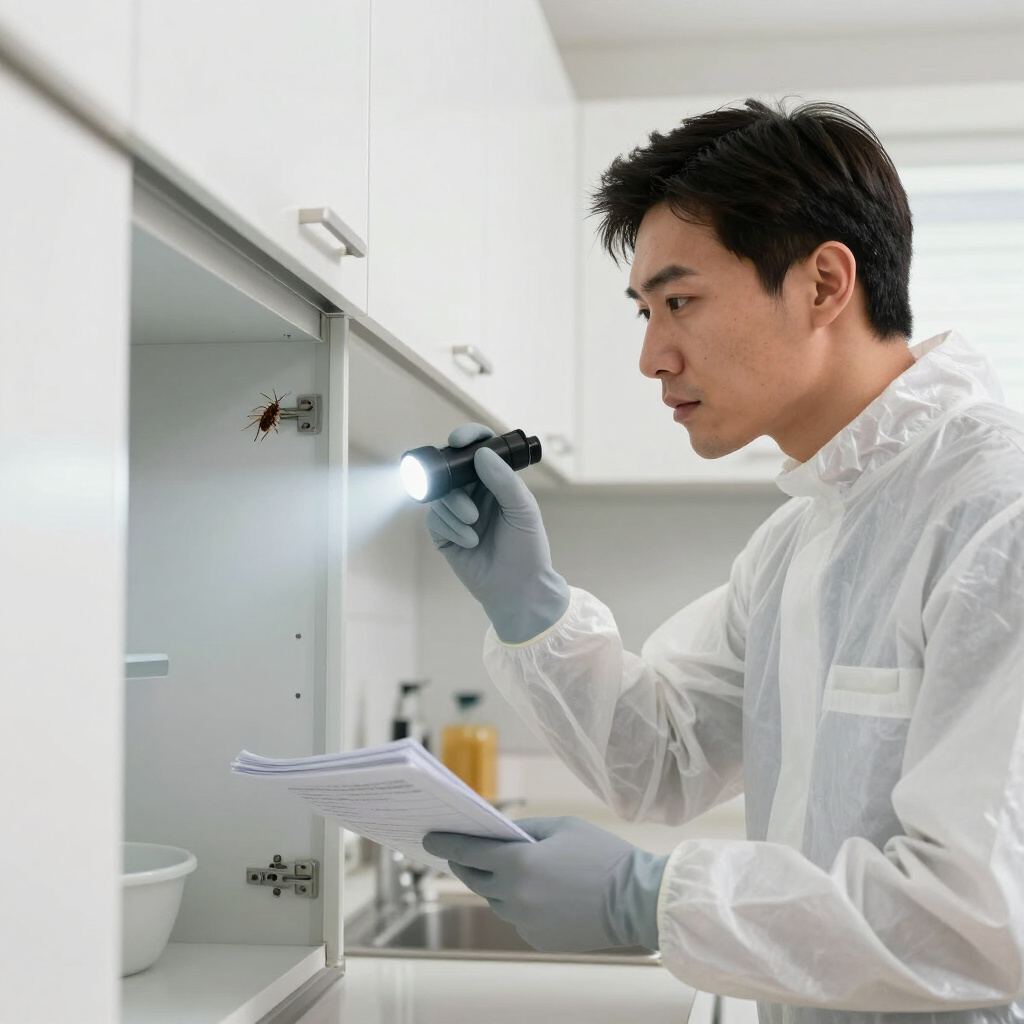
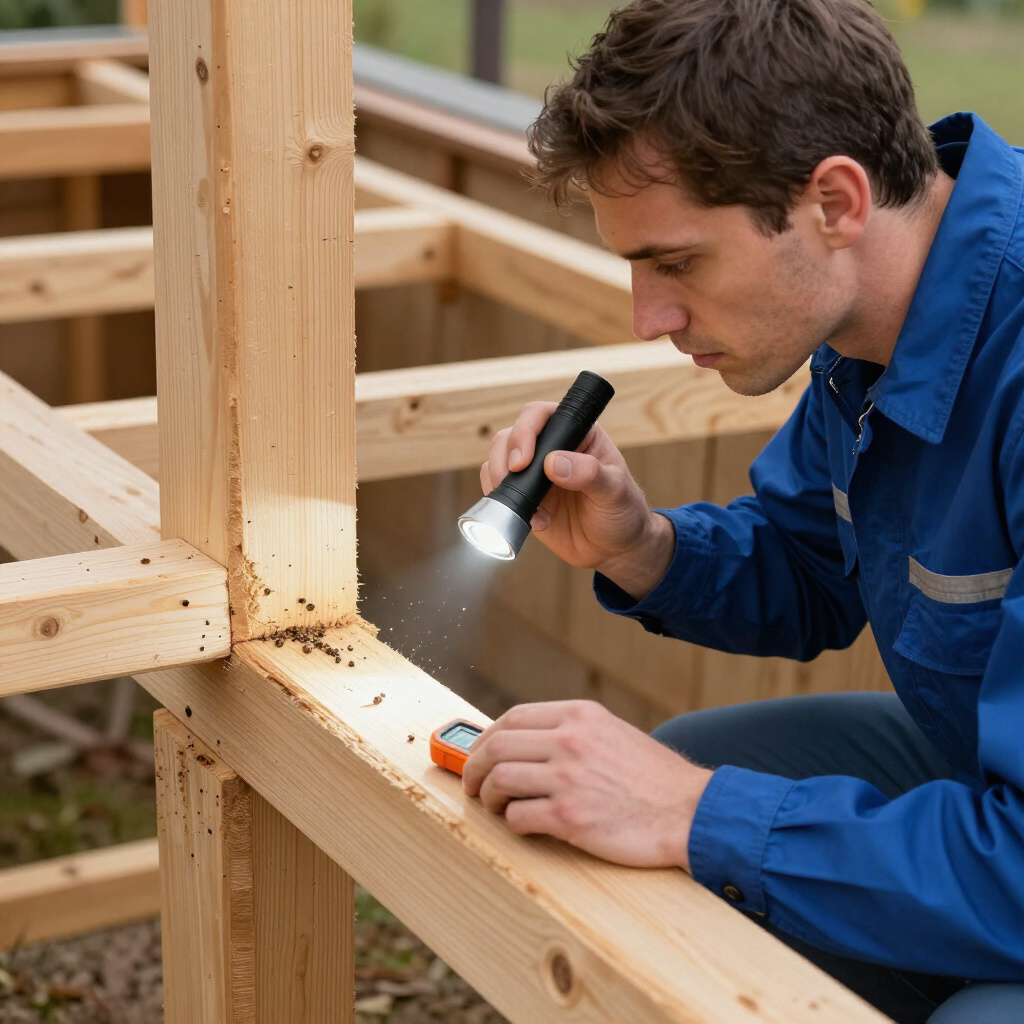
When ants march across your kitchen counter or aphids cluster on your tomato plants, reaching for a chemical spray might seem like the fastest fix. But more homeowners are discovering that natural pest control methods can be just as effective—without the harsh fumes, toxic residues, or worry about children and pets. The key is knowing which approaches actually deliver results and how to use them strategically. Let's explore proven natural solutions that work in real homes and gardens.
Natural Pest Control Starts with Prevention
The most powerful natural pest control method isn't a product at all—it's making your space less inviting to pests in the first place. Seal cracks around windows, doors, and utility penetrations with caulk or weatherstripping. Store dry goods in airtight glass or metal containers rather than cardboard or plastic bags that rodents can chew through. Fix leaky faucets and eliminate standing water, which attracts everything from mosquitoes to silverfish.
In your garden, practice companion planting to confuse and repel pests. Marigolds emit compounds that deter nematodes and aphids. Basil planted near tomatoes repels flies and mosquitoes. Nasturtiums act as a trap crop, luring aphids away from your vegetables. These time-tested pairings work because they disrupt the sensory cues pests use to locate their preferred plants.
Healthy soil grows resilient plants that naturally resist infestation. Top-dress with compost, mulch appropriately, and avoid over-fertilizing with nitrogen, which produces lush, pest-attracting growth. A diverse garden with flowering plants also supports beneficial insects that keep pest populations in check.
Targeted Natural Remedies for Common Pests
When prevention isn't enough, several natural treatments offer genuine effectiveness without synthetic chemicals.
Diatomaceous earth deserves its reputation as a versatile natural pest control tool. This powdery sedimentary rock contains microscopic sharp edges that damage the exoskeletons of crawling insects like ants, cockroaches, fleas, and bed bugs, causing them to dehydrate. Food-grade diatomaceous earth is safe to use around pets and children when applied as a thin, barely visible layer in cracks, along baseboards, or in garden beds. Reapply after rain or heavy dew, as moisture reduces its effectiveness.
Neem oil functions as both a repellent and insect growth disruptor. Extracted from the seeds of the neem tree, it interferes with feeding and molting in soft-bodied insects including aphids, spider mites, whiteflies, and scale. Mix with water and a small amount of biodegradable soap, then spray leaf surfaces thoroughly, including undersides where pests hide. Apply in evening or early morning to avoid leaf burn, and repeat every 7-14 days as needed.
Boric acid and borax remain reliable for ant and cockroach control. These mineral compounds disrupt the digestive systems of insects that groom themselves and ingest the powder. Mix borax with powdered sugar and a little water to create a paste for ant bait stations placed out of reach of pets and children. For cockroaches, a light dusting in voids behind appliances and cabinets provides lasting control as the insects walk through and later groom themselves.
Essential oils offer targeted repellency for specific pests. Peppermint oil repels spiders, ants, and mice—mix 15-20 drops per cup of water and spray entry points weekly. Tea tree and eucalyptus oils deter dust mites and some flying insects. Cedar blocks or cedar oil in closets repels clothes moths. These require more frequent reapplication than synthetic alternatives but provide pleasant, non-toxic protection.
Physical barriers and traps eliminate pests without any chemicals. Row covers exclude cabbage worms and flea beetles from vegetable crops. Sticky traps monitor and reduce flying insect populations indoors. Copper tape around raised beds creates a mild electric charge that repels slugs and snails. For rodents, snap traps and live traps remain the most effective natural approach—seal entry points first, then trap the individuals already inside.
Key Tips for Success with Natural Methods
Natural pest control requires a shift in mindset from immediate annihilation to managed equilibrium. These strategies will improve your results significantly.
Identify your pest correctly before treating. Ant baits won't solve a carpenter ant problem that requires nest location. What works for fruit flies differs completely from fungus gnat control. Misidentification leads to wasted effort and prolonged infestations.
Apply treatments precisely where pests travel, feed, or nest rather than broadcasting widely. A thin line of diatomaceous earth where ants actually walk works better than a thick pile they simply avoid. Spot-treat aphid colonies rather than drenching entire plants with neem oil.
Be patient and persistent. Natural methods often work more gradually than synthetic pesticides. An ant bait colony may take several days to eliminate rather than hours. Continue monitoring and reapplying as directed rather than abandoning treatment too soon.
Combine methods for challenging infestations. Seal entry points, deploy traps, and use repellents together rather than relying on a single approach. Integrated natural pest control addresses multiple aspects of pest biology simultaneously.
Know when to call professionals. Extensive termite damage, bed bug infestations affecting multiple rooms, or rodent issues in wall voids may exceed what DIY natural methods can reasonably address. Reputable pest control companies can apply targeted, reduced-toxicity treatments when situations warrant.
Final Thoughts
Natural pest control methods that actually work combine prevention, precise application, and realistic expectations. The approaches outlined here—prevention, diatomaceous earth, neem oil, boric acid, essential oils, and physical controls—have demonstrated effectiveness across countless homes and gardens when applied thoughtfully. Start with the least invasive methods, monitor results, and adjust your strategy based on what you observe. The reward is effective pest management that protects your family, pets, and the broader environment while keeping your living spaces comfortable and pest-free. With consistency and attention to detail, natural solutions can handle most everyday pest challenges without ever opening a can of synthetic spray.