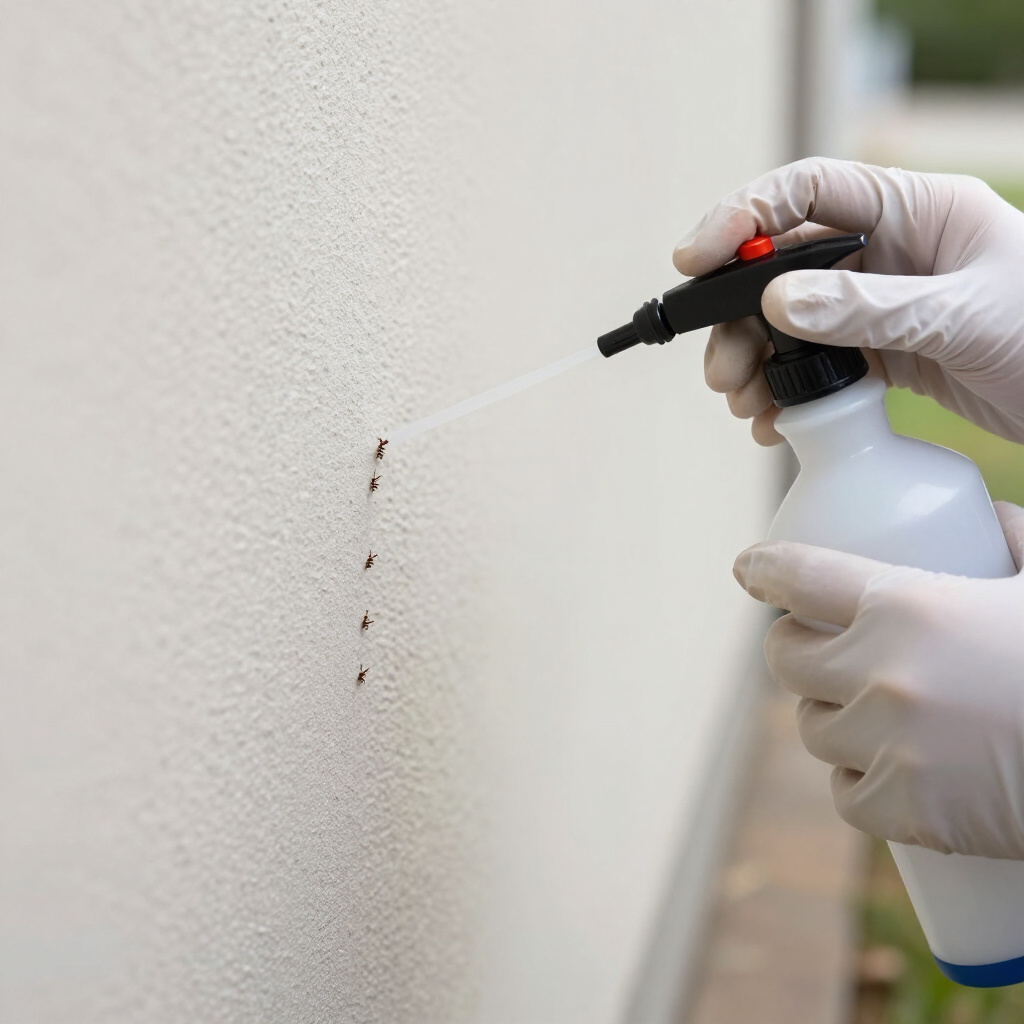


Pests don't take vacations. As the seasons shift, so do the critters trying to make your home their own. What works against ants in spring won't help you tackle mice in winter. A proactive, year-round approach saves you stress, money, and those midnight encounters with unwanted houseguests. This seasonal pest control checklist gives homeowners a practical roadmap for keeping properties protected through every temperature swing.
Spring: Awakening and Entry Points
Spring pest control starts the moment temperatures climb and dormant insects stir. This is when overwintering pests emerge, and colonies begin building strength. Walk your property with fresh eyes and seal every crack and crevice you find. Ants, termites, and stinging insects become active now, scouting for food and nesting sites.
Focus your efforts on moisture control first. Spring rains create ideal conditions for carpenter ants and termites, both drawn to damp, decaying wood. Clean gutters thoroughly, direct downspouts away from your foundation, and fix any leaks promptly. Trim vegetation back from your home's exterior—branches touching your walls become highways for pests.
Inspect window screens for tears and replace weatherstripping around doors. Check your attic and basement for signs of overwintering boxelder bugs, lady beetles, or cluster flies that are now trying to exit. If you spot mud tubes on foundation walls, hollow-sounding wood, or discarded insect wings, contact a professional immediately. Early termite intervention prevents catastrophic structural damage.
Summer: Peak Activity and Vigilance
Summer brings the highest pest pressure of the year. Mosquitoes breed in standing water, wasps construct nests under eaves, and fleas and ticks thrive in tall grass. Your seasonal pest control checklist should emphasize yard management and outdoor living space protection during these months.
Eliminate standing water weekly—bird baths, clogged drains, plant saucers, and kiddie pools all breed mosquitoes. Keep lawn grass cut to three inches or shorter, and create a wood chip or gravel barrier between wooded areas and your lawn to reduce tick migration. Store garbage in sealed containers with tight-fitting lids, and position bins away from your house.
Indoors, monitor for signs of pantry pests like Indian meal moths and weevils that hitchhike home in bulk grains and pet food. Store dry goods in airtight glass or thick plastic containers. Check window and door seals regularly, as summer heat can warp frames and create new gaps. If you entertain outdoors, keep food covered and clean spills immediately to avoid attracting yellowjackets and hornets.
Fall: The Invasion Season
Fall pest control centers on exclusion. As temperatures drop, rodents, spiders, and overwintering insects actively seek shelter inside your warm home. This is your last chance to fortify defenses before winter locks you in with whatever gets through.
Conduct a thorough perimeter inspection. Seal gaps larger than a quarter-inch—mice squeeze through incredibly small openings. Use steel wool and caulk for small holes; install door sweeps and repair damaged soffits and vents. Pay special attention to utility penetrations where pipes and wires enter your home, as these are common rodent entry routes.
Store firewood at least twenty feet from your home and elevate it off the ground. This prevents termites, carpenter ants, and rodents from nesting nearby and eventually migrating inside. Rake leaves away from your foundation promptly, as decaying matter harbors moisture and attracts pests. Inside, declutter storage areas where spiders and mice could nest undisturbed.
Stink bugs, boxelder bugs, and Asian lady beetles cluster on sunny exterior walls in fall before slipping indoors. Consider treating exterior surfaces with appropriate products, and ensure attic vents are screened securely.
Winter: Hidden Threats and Monitoring
Winter seems quiet, but pest activity doesn't stop—it goes underground, literally and figuratively. Rodents remain the primary concern, as food scarcity drives them indoors. Your seasonal pest control checklist should emphasize detection and rapid response during these months.
Inspect your basement, crawl space, and attic monthly for droppings, gnaw marks, nesting materials, or unusual odors. Listen for scratching sounds in walls or ceilings, especially at night. Set traps in suspected areas, placing them perpendicular to walls where rodents travel. Check and reset traps regularly.
Continue exterior vigilance despite cold weather. Ice dams and heavy snow can damage roofing and create new entry points. Remove snow accumulation from foundations when practical, and maintain clear paths for inspection access. Inside, keep pantry areas clean and store pet food in sealed containers overnight.
Monitor for overwintering pests that entered in fall and are now active on warm, sunny winter days. You may see cluster flies or lady beetles near upper windows as they confuse temperature signals. Vacuum these up promptly and dispose of the bag outside.
Key Tips for Year-Round Success
A few habits amplify your seasonal efforts dramatically. First, document everything. Keep a simple log of pest sightings, treatments applied, and maintenance completed. This reveals patterns and helps professionals diagnose recurring issues faster.
Second, resist the urge to rely solely on sprays and bombs. Integrated pest management—combining physical exclusion, environmental modification, biological controls, and targeted treatments—delivers superior, longer-lasting results with less chemical exposure. Seal first, then treat only where necessary.
Third, know when to call experts. DIY measures handle minor, isolated issues beautifully. But recurring infestations, structural pests like termites, stinging insect nests in dangerous locations, or any sign of bed bugs warrant professional intervention. The cost of delayed response always exceeds early professional help.
Finally, coordinate with neighbors when possible. Pests don't respect property lines. Community-wide efforts against mosquitoes, rodents, or invasive species multiply everyone's effectiveness.
Final Thoughts
Effective pest management isn't a single action—it's a rhythm aligned with nature's calendar. By working through this seasonal pest control checklist each year, you transform from reactive to proactive, catching problems before they multiply. Spring seals and moisture control, summer vigilance and yard management, fall exclusion and fortification, winter monitoring and response: together these create a comprehensive shield around your home.
Start where you are in the calendar. Complete the tasks for your current season, then look ahead to prepare for what's coming. Your future self—enjoying a peaceful, pest-free evening—will thank you for the effort you invest today.