
Termites are among the most destructive pests a homeowner can face, causing billions of dollars in damage each year across the United States. What's particularly troubling is that these silent destroyers often work undetected for months or even years, chewing through wood, flooring, and even wallpaper before anyone notices. By the time visible signs appear, significant structural damage may already be done. Knowing the early warning signs of termites can save you thousands in repair costs and protect the integrity of your home. Whether you're a new homeowner or have lived in your house for decades, learning to recognize these indicators is one of the smartest investments you can make in property maintenance.
Signs You May Have Termites: Early Warning Indicators
One of the most common signs you may have termites is the presence of mud tubes along your foundation, walls, or crawl spaces. Subterranean termites, the most widespread species, build these pencil-width tunnels from soil, wood particles, and saliva to maintain moisture while traveling between their colony and food sources. Break open a mud tube, and you may find active workers inside. Another critical indicator is hollow-sounding wood. Tap on baseboards, window sills, and wooden beams with the handle of a screwdriver. Solid wood produces a dull thud; damaged wood sounds hollow or papery because termites consume wood from the inside out, leaving only a thin veneer of paint or surface material.
Discarded wings near windowsills, doorways, or light fixtures signal a recent termite swarm. Reproductive termites, called swarmers, emerge in spring to establish new colonies, shed their wings, and mate. Finding piles of these delicate, equal-sized wings—often mistaken for fish scales—strongly suggests an active or nearby colony. Similarly, frass, or termite droppings, resembles small piles of sawdust or coffee grounds and indicates drywood termite activity. Unlike subterranean species, drywood termites push their fecal matter out of small kick holes in wood, creating noticeable accumulations below infested areas.
Structural and Visual Damage to Watch For
As termite infestations progress, the damage becomes more apparent. Buckling or blistering in wood flooring can mimic water damage but actually results from termites feeding below the surface. Doors and windows that suddenly become difficult to open or close may indicate warped frames caused by moisture and tunneling activity. Paint that appears cracked or bubbling, especially on drywall, sometimes hides extensive galleries beneath.
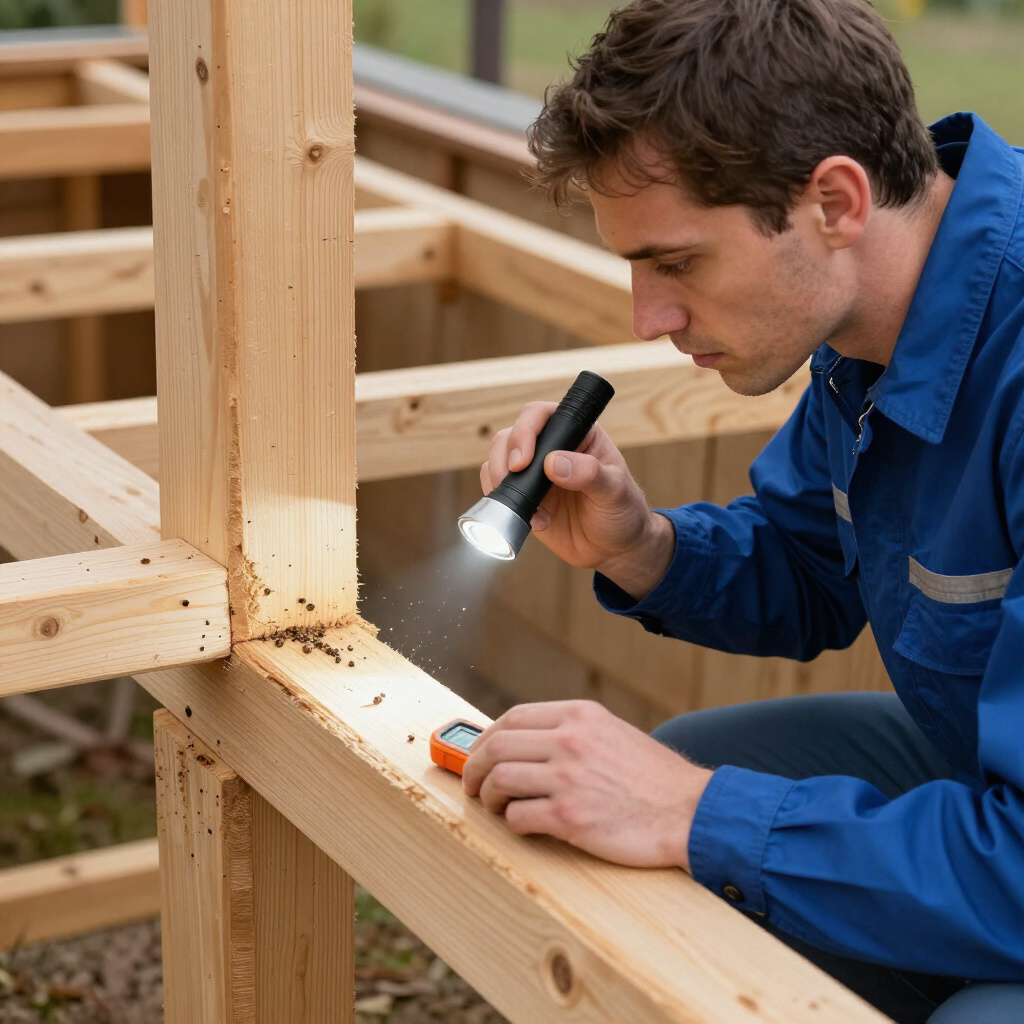
Pay close attention to your home's exterior as well. Damaged or crumbling wood on decks, fences, and exterior structures often attracts termites and can serve as a bridge to your main house. Wood that contacts soil directly creates ideal conditions for subterranean termites to access your home unnoticed. Even concrete foundations aren't immune—termites can squeeze through cracks as narrow as a business card's edge.
Another subtle sign is the appearance of sagging ceilings or buckling walls. As termites compromise load-bearing wooden elements, structural integrity weakens. You might notice floors that feel spongy underfoot or walls that sound unusually hollow when knocked. These symptoms demand immediate professional evaluation, as they indicate advanced infestation and potential safety hazards.
Key Tips for Detection and Prevention
Regular inspections form your best defense against extensive termite damage. Schedule professional inspections annually, especially if your home has a history of termite activity or sits in a high-risk region. Between professional visits, conduct your own checks seasonally. Focus on basements, crawl spaces, attics, and garages—areas with higher humidity and less human traffic that termites prefer.
Reduce moisture around your foundation by maintaining proper drainage, cleaning gutters regularly, and directing downspouts away from the house. Trim vegetation and mulch at least six inches from siding to eliminate hidden pathways and moisture retention. Store firewood, lumber, and cardboard boxes away from your home's exterior, as these materials attract foraging termites.
Consider requesting a termite pre-treatment if you're building new construction, and ask about baiting systems or soil treatments for existing homes. Modern termite monitoring stations can detect activity early, allowing targeted intervention before colonies establish. Document any signs you observe with photographs and notes—this information proves invaluable for pest control professionals assessing your situation.
Final Thoughts
Recognizing the signs you may have termites empowers you to act swiftly and minimize damage to your most valuable investment. From mud tubes and discarded wings to hollow-sounding wood and structural warping, these indicators deserve serious attention. Remember that termites rarely announce their presence dramatically; instead, they leave quiet clues that observant homeowners can learn to read. When you suspect termite activity, contacting a licensed pest control professional promptly ensures accurate identification and effective treatment. Protecting your home requires vigilance, but the peace of mind that comes from early detection is well worth the effort.